
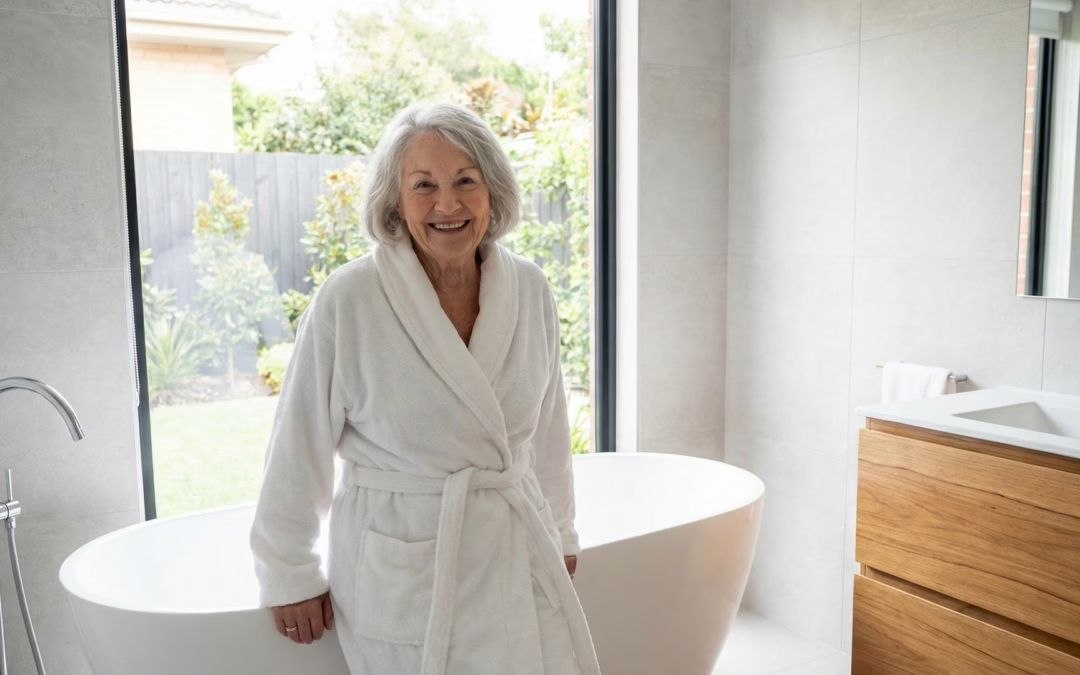
Caring for an aging parent is one of the most meaningful—and challenging—roles many of us will ever take on. Whether you’re managing day-to-day tasks, coordinating care from afar, or stepping in during moments of increased need, caregiving often comes with a mix of love, concern, responsibility, and uncertainty.
As our parents age, priorities shift. Independence remains deeply important, but safety, comfort, and confidence become equally critical. For caregivers, the goal is not to take control away—it’s to support aging parents in a way that preserves dignity while reducing risk.
The Emotional Side of Caregiving
Caregiving isn’t just physical work—it’s emotional labor. Many caregivers juggle careers, families, and personal responsibilities while worrying about falls, injuries, or sudden changes in their loved one’s health. Conversations about safety can feel uncomfortable, especially when parents are resistant to change or don’t see themselves as needing help.
It’s common to hear:
-
“I’m fine, I don’t need that.”
-
“I’ve lived here for years without a problem.”
Behind these statements is often a fear of losing independence; therefore, recognizing this fear is the first step toward compassionate, effective caregiving.

Why the Bathroom Is a Critical Focus Area
One of the most overlooked areas of the home is also one of the most dangerous: the bathroom. Wet surfaces, hard flooring, and tight spaces increase the risk of slips and falls—especially for older adults who may experience changes in balance, strength, or mobility.
For caregivers, the bathroom often becomes a source of constant worry. A single slip in the tub or shower can lead to serious injury and long recovery times—making proactive bath safety one of the most impactful steps caregivers can take.
Importantly, bath safety doesn’t have to mean drastic renovations or clinical-looking equipment. Thoughtful, well-designed safety features can reduce risk while keeping the space comfortable, familiar, and dignified.


Supporting Independence Through Smart Bath Safety Solutions
The best bath safety solutions are the ones that blend seamlessly into everyday routines. For aging parents, confidence in the bathroom can make the difference between feeling independent and feeling hesitant.
Effective bath safety concepts focus on:
-
Slip resistance on wet surfaces to help prevent falls
-
Stable footing that feels secure underfoot
-
Easy-to-grip support that assists with balance, not body weight
-
Water drainage to reduce standing water in tubs and showers
When safety tools are intuitive, comfortable, and non-intrusive, they support independence rather than limiting it—helping aging parents maintain privacy and confidence during daily routines.
When safety tools are intuitive and discreet, aging parents are more likely to accept and use them—making everyone feel more confident.
Starting the Conversation With Care
Introducing bath safety changes can feel personal, especially since bathing is such a private activity. The conversation works best when it’s framed around comfort, confidence, and staying independent—not fear.
Helpful approaches include:
-
Highlighting comfort (“This makes the shower feel steadier underfoot.”)
-
Emphasizing confidence (“It helps you move more easily on wet surfaces.”)
-
Sharing peace of mind (“It lets me worry less about slips.”)
-
Offering choices so your parent feels in control
When aging parents feel respected and involved, bath safety becomes a shared decision—not a point of resistance.
Bringing Bath Safety to Life With the Right Tools
Once caregivers understand the risks, the next step is choosing solutions that quietly support daily routines. The most effective bath safety products are designed to work with aging parents—not change how they live.
Helpful bath safety tools often include:
-
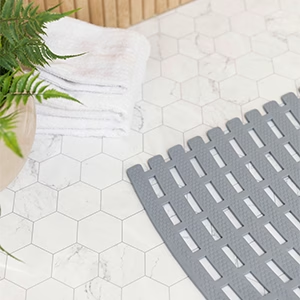
Non-slip bath and shower mats that provide stable, cushioned footing on wet surfaces
-
Extra-large or extended-coverage mats to reduce uncovered areas where slips can happen
-
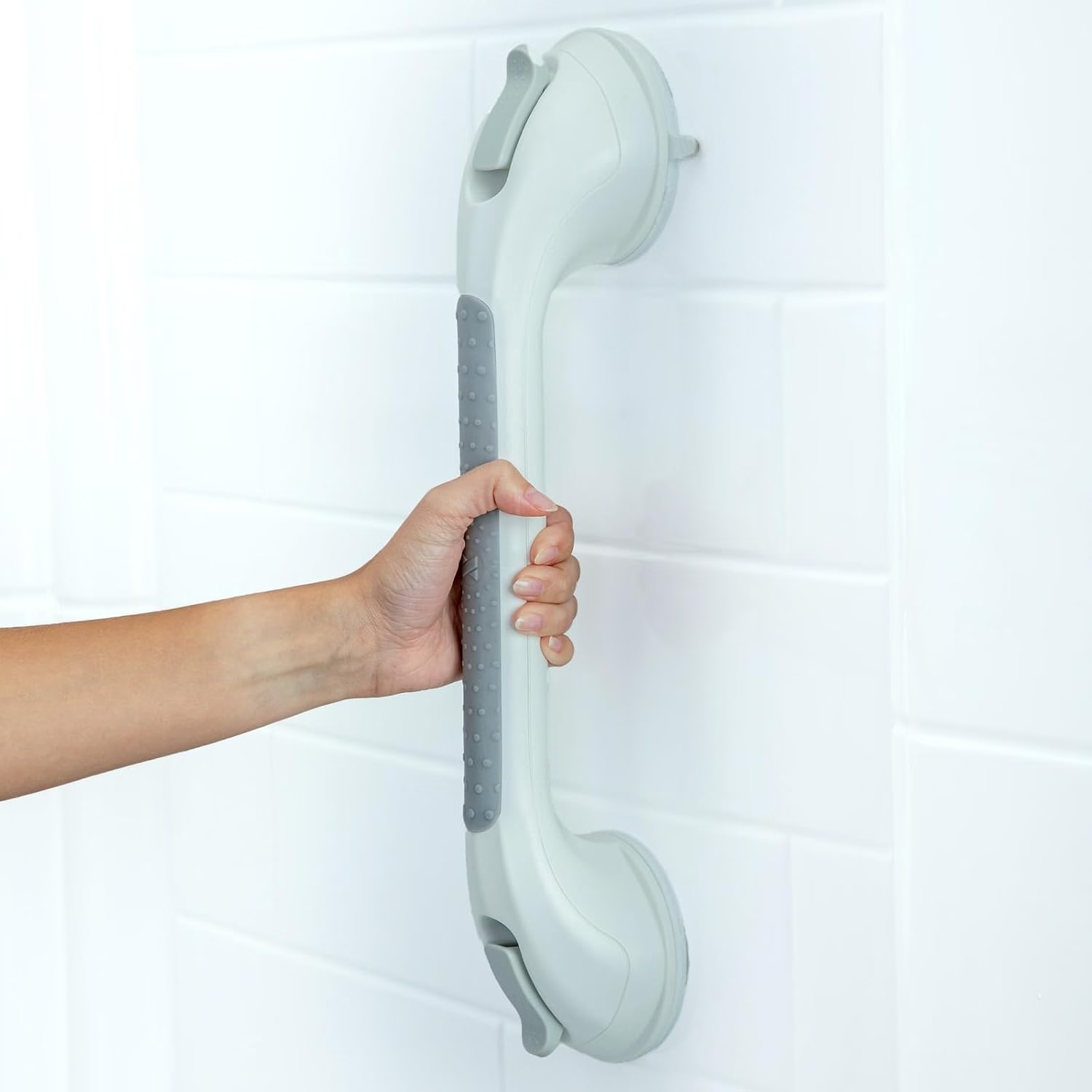
Balance assistance bars or grip supports that offer something steady to hold while entering or exiting the tub
-
Drain-friendly designs that allow water to flow freely, reducing standing water and slick spots
These types of products are especially valuable because they typically require no drilling, no permanent installation, and no home renovation. For caregivers, that means faster setup, easier adjustments, and solutions that can adapt as needs change.
A Thoughtful Approach to Aging at Home
Aging at home can be a beautiful chapter of life when it’s supported with intention. With the right mindset—and the right tools—caregivers can help their parents maintain independence, confidence, and comfort while quietly minimizing risks behind the scenes.
Because caregiving isn’t about doing everything for someone. It’s about making it safer for them to keep being themselves.